
Introduction
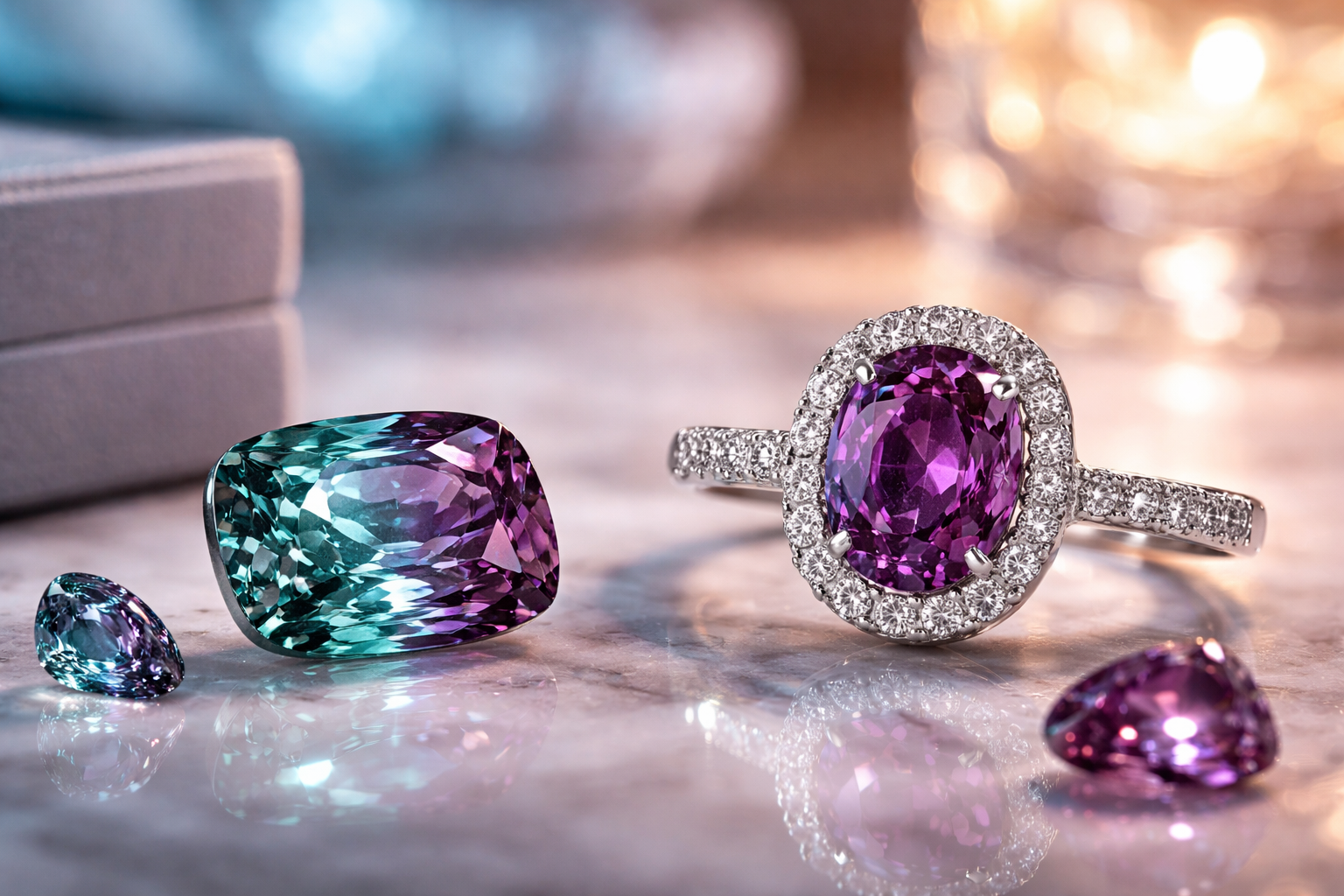
Lab grown alexandrite is a fascinating gemstone known for its unique ability to change color under different lighting conditions. This rare optical effect makes it one of the most sought-after stones in the jewelry world. Unlike natural alexandrite, lab-created versions offer the same beauty at a more affordable price. This guide explains everything you need to know about lab grown alexandrite, including its properties, benefits, and buying tips.
What is Lab Grown Alexandrite?
Lab grown alexandrite is a synthetic gemstone created in controlled environments using advanced technology that replicates natural formation processes. It has the same chemical composition, physical properties, and color-changing characteristics as natural alexandrite. Typically, it appears green in daylight and shifts to reddish-purple under incandescent light. This makes it highly desirable for jewelry lovers seeking something unique and elegant.
Types of Lab Grown Alexandrite
- Flux-Grown Alexandrite: This type is created using a slow cooling process, resulting in high-quality crystals with excellent clarity and natural-like appearance. It is considered one of the most premium lab-grown options.
- Czochralski (Pulling Method): This method produces alexandrite quickly and is more affordable. While slightly less natural-looking, it still offers strong color change properties.
- Hydrothermal Alexandrite: Created under high pressure and temperature, this type closely mimics natural formation and provides good durability and color consistency.
Key Benefits of Lab Grown Alexandrite
Lab grown alexandrite offers several advantages that make it a popular choice among buyers. It is significantly more affordable than natural alexandrite while maintaining the same visual appeal. The gemstone is ethically produced, making it an eco-friendly option. It also offers excellent durability, making it suitable for everyday wear. Additionally, its color-changing feature adds a unique and luxurious touch to any jewelry piece.
Lab Grown vs Natural Alexandrite
There are important differences between lab grown and natural alexandrite that buyers should understand.
| Feature | Lab Grown Alexandrite | Natural Alexandrite |
| Price | Affordable | Extremely expensive |
| Availability | Widely available | Very rare |
| Appearance | Nearly identical | Slight natural inclusions |
| Ethical Impact | Eco-friendly | Mining impact |
| Color Change | Strong and consistent | Natural variation |
How to Identify Quality Lab Grown Alexandrite
Identifying high-quality lab grown alexandrite requires attention to specific factors. The most important feature is the strength of the color change between green and reddish-purple. Clarity should be high, with minimal visible inclusions. The cut of the gemstone also plays a crucial role in enhancing its brilliance. Buyers should always purchase from reputable sellers and request certification when possible.
Tips for Buying Lab Grown Alexandrite
When purchasing lab grown alexandrite, it is important to consider several factors to ensure value for money. Always check the color change under different lighting conditions before buying. Choose a well-cut stone to maximize brilliance. Compare prices from different sellers and read reviews to ensure authenticity. It is also recommended to buy from trusted jewelers who provide certification and clear product details.
Common Mistakes to Avoid
Many buyers make mistakes when purchasing lab grown alexandrite due to lack of knowledge. One common mistake is ignoring the quality of color change, which is the most important feature. Another mistake is buying from unreliable sources without proper certification. Some people also focus only on price and overlook important factors like cut and clarity. Avoiding these mistakes helps in making a better investment.
Is Lab Grown Alexandrite Durable?
Lab grown alexandrite is highly durable and suitable for everyday wear. It ranks around 8.5 on the Mohs hardness scale, making it resistant to scratches and damage. This durability makes it an excellent choice for rings, earrings, and necklaces. However, like all gemstones, it should still be handled with care and cleaned properly to maintain its shine and longevity.
Care and Maintenance
Proper care helps maintain the beauty and longevity of lab grown alexandrite jewelry. Clean the gemstone regularly using mild soap and warm water. Avoid exposing it to harsh chemicals or extreme temperatures. Store it separately to prevent scratches from harder gemstones. Regular maintenance ensures that the gemstone retains its brilliance and color-changing effect over time.
Conclusion
Lab grown alexandrite is a stunning and affordable alternative to natural alexandrite, offering the same mesmerizing color-changing effect. Its ethical production, durability, and beauty make it an excellent choice for modern jewelry buyers. By understanding its types, quality factors, and proper care methods, you can make an informed purchase and enjoy this unique gemstone for years to come.
FAQs
What is lab grown alexandrite?
It is a synthetic gemstone with the same properties as natural alexandrite, known for its color-changing effect.
Is lab grown alexandrite real?
Yes, it is chemically and physically identical to natural alexandrite but created in a lab.
Does lab grown alexandrite change color?
Yes, it changes from green in daylight to reddish-purple under artificial light.
Is lab grown alexandrite expensive?
It is much more affordable than natural alexandrite while offering similar beauty.
Can I wear lab grown alexandrite daily?
Yes, it is durable enough for everyday wear with proper care.