
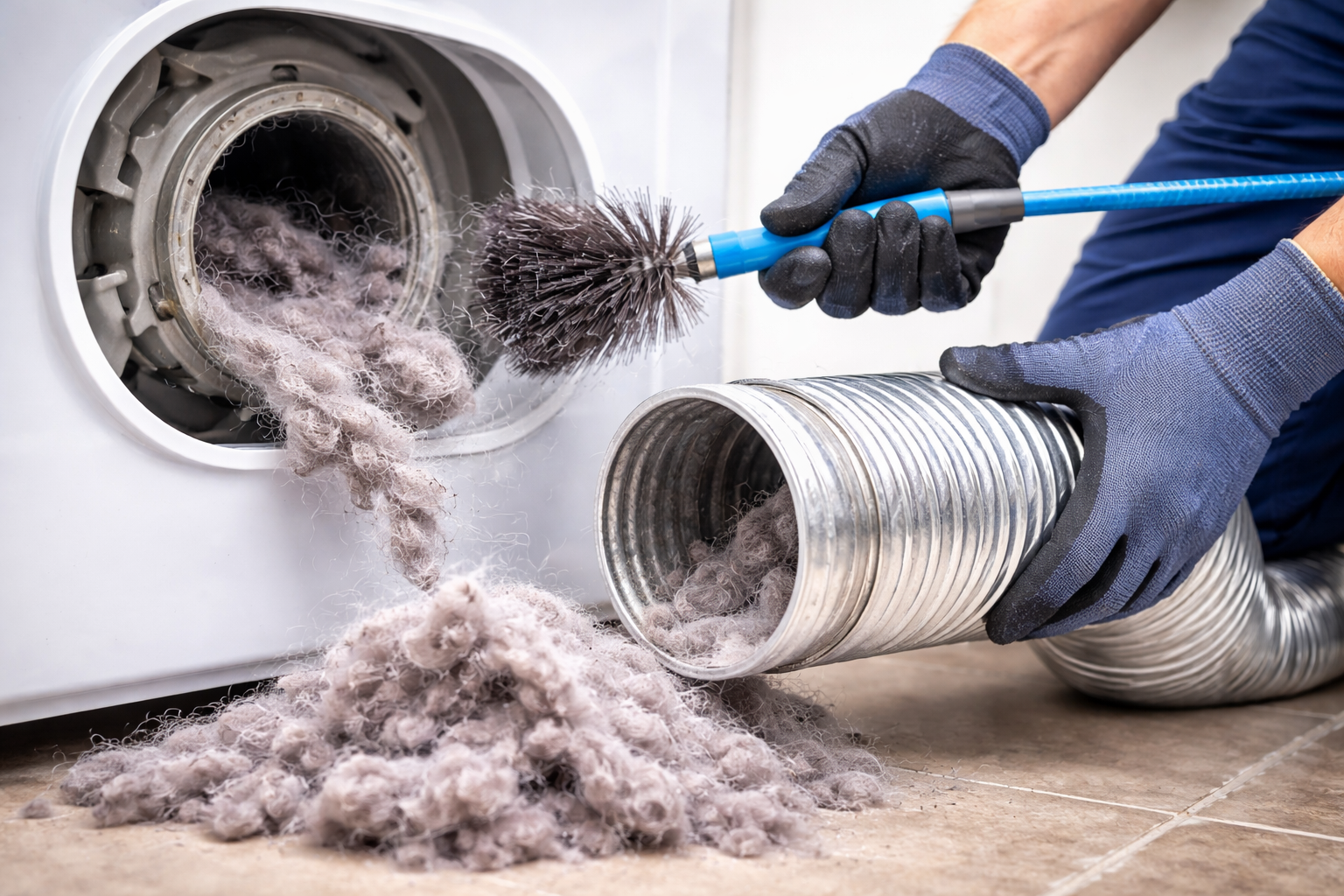
Dryer vents play a crucial role in keeping your laundry system efficient and safe. Over time, lint, debris, and dust accumulate inside the vent, leading to blockages and reduced airflow. This can increase drying time and even create serious fire hazards. Understanding clothes dryer vent repair helps you maintain your appliance, improve performance, and ensure safety in your home environment effectively.
Why Clothes Dryer Vent Repair is Important
A damaged or clogged dryer vent can cause multiple issues that affect both safety and performance. When airflow is restricted, heat builds up inside the dryer, making it work harder than necessary. This not only increases electricity consumption but also shortens the lifespan of the appliance. Regular clothes dryer vent repair and maintenance ensure proper ventilation and keep your dryer running smoothly without unnecessary risks.
Signs Your Dryer Vent Needs Repair
Identifying early warning signs can save you from costly repairs and dangerous situations. Many homeowners ignore these signs until the problem becomes severe. Recognizing them early helps maintain efficiency and safety.
- Clothes take longer to dry
- Burning smell during operation
- Excess lint around dryer area
- Dryer feels unusually hot
- Higher energy bills
These indicators clearly show that your dryer vent may be clogged or damaged and needs immediate attention.
Common Causes of Dryer Vent Problems
Dryer vent issues usually develop over time due to poor maintenance or improper installation. Understanding these causes helps you prevent future problems and extend your dryer’s lifespan.
Lint buildup is the most common cause, as small fibers accumulate inside the vent and block airflow. Poor vent installation with sharp bends or long ducts also restricts airflow. External factors such as bird nests or debris can block the vent opening. Regular inspection and proper setup reduce the chances of frequent dryer vent repair needs.
How to Repair a Clothes Dryer Vent)
Repairing a dryer vent can be simple if the issue is minor and manageable. Following the correct steps ensures effective results and prevents further damage.
First, unplug the dryer and move it away from the wall carefully. Disconnect the vent hose and inspect it for lint buildup or damage. Clean the hose using a vent brush or vacuum. If the hose is torn, replace it with a new one. Reconnect everything securely and test the dryer to ensure proper airflow and performance.
DIY vs Professional Dryer Vent Repair
Choosing between DIY and professional repair depends on the severity of the problem. Minor cleaning and simple fixes can be done at home, while complex issues require expert assistance.
| Factor | DIY Repair | Professional Repair |
| Cost | Low | Higher |
| Difficulty | Easy to Moderate | Expert Level |
| Time | Quick | Scheduled |
| Safety | Basic | High |
| Results | Temporary | Long-lasting |
For serious blockages or structural damage, professional services provide safer and more reliable solutions.
Tools Required for Dryer Vent Repair
Having the right tools makes the repair process easier and more effective. Using proper equipment also ensures thorough cleaning and better results.
You will need a vent cleaning brush, vacuum cleaner, screwdriver, replacement hose, and protective gloves. These tools help you remove lint buildup, inspect damage, and replace faulty components. Investing in these basic tools allows you to handle minor dryer vent repair tasks without professional help.
How Often Should You Clean or Repair Dryer Vents
Regular maintenance is key to preventing major issues and ensuring optimal performance. Cleaning your dryer vent at least once every six months is recommended for most households. However, if you use your dryer frequently, you may need more frequent inspections.
Routine clothes dryer vent repair and cleaning reduce energy consumption and prevent dangerous situations. Keeping a maintenance schedule helps you avoid unexpected breakdowns and costly repairs in the long run.
Safety Tips for Dryer Vent Repair
Safety should always be your top priority when dealing with dryer vents. Improper handling can lead to accidents or damage to your appliance.
Always unplug the dryer before starting any repair work. Use gloves to protect your hands from sharp edges and debris. Avoid using flammable cleaning materials. Ensure proper ventilation while working. If you are unsure about the repair process, it is always safer to consult a professional technician.
Benefits of Regular Dryer Vent Maintenance
Maintaining your dryer vent provides multiple advantages that go beyond just fixing problems. It improves efficiency, reduces costs, and enhances safety.
Regular maintenance ensures faster drying times and lowers electricity bills. It also reduces the risk of fire hazards caused by lint buildup. Additionally, it extends the lifespan of your dryer and keeps your laundry routine smooth and hassle-free. Investing time in clothes dryer vent repair pays off in the long term.
Conclusion
Clothes dryer vent repair is an essential part of home maintenance that should never be ignored. From improving efficiency to preventing fire hazards, proper vent care offers numerous benefits. By understanding the signs, causes, and repair methods, you can keep your dryer running smoothly. Whether you choose DIY solutions or professional services, regular maintenance ensures long-term safety and performance.
FAQs
How do I know if my dryer vent is clogged?
If clothes take longer to dry, the dryer feels hot, or you smell burning, your vent may be clogged.
Can I repair a dryer vent myself?
Yes, minor cleaning and hose replacement can be done at home with basic tools.
How much does dryer vent repair cost?
DIY repairs are low-cost, while professional services can range depending on complexity.
How often should dryer vents be cleaned?
At least every 6 months, or more frequently with heavy usage.
Is a clogged dryer vent dangerous?
Yes, it can cause overheating and increase the risk of fire hazards.