
Introduction
Braiding hair is a timeless and globally recognized hairstyling technique that combines beauty and functionality; it has been used for centuries across different cultures as both a fashion statement and a protective method; modern braiding styles are highly versatile and suitable for all hair types and occasions; this technique helps reduce daily styling effort while maintaining a polished look; overall, braiding hair is ideal for anyone seeking a stylish yet low-maintenance hairstyle.
What is Braiding Hair?
Braiding hair refers to the process of intertwining three or more strands of hair to create structured patterns and styles; it can be done on natural hair or with extensions to add length and volume; braids range from simple everyday styles to complex artistic designs; they are long-lasting and can stay intact for days or even weeks; this makes braiding a practical and popular choice for both casual and professional looks.
Types of Braiding Hair Styles
Braiding hair includes a wide variety of styles that cater to different preferences, hair textures, and occasions; some styles are simple and quick for daily use while others are intricate and designed for special events; modern braiding trends blend traditional techniques with creative innovations; choosing the right style depends on your hair type, length, and personal style; these styles continue to trend in the beauty and fashion industry.
Popular Braiding Styles
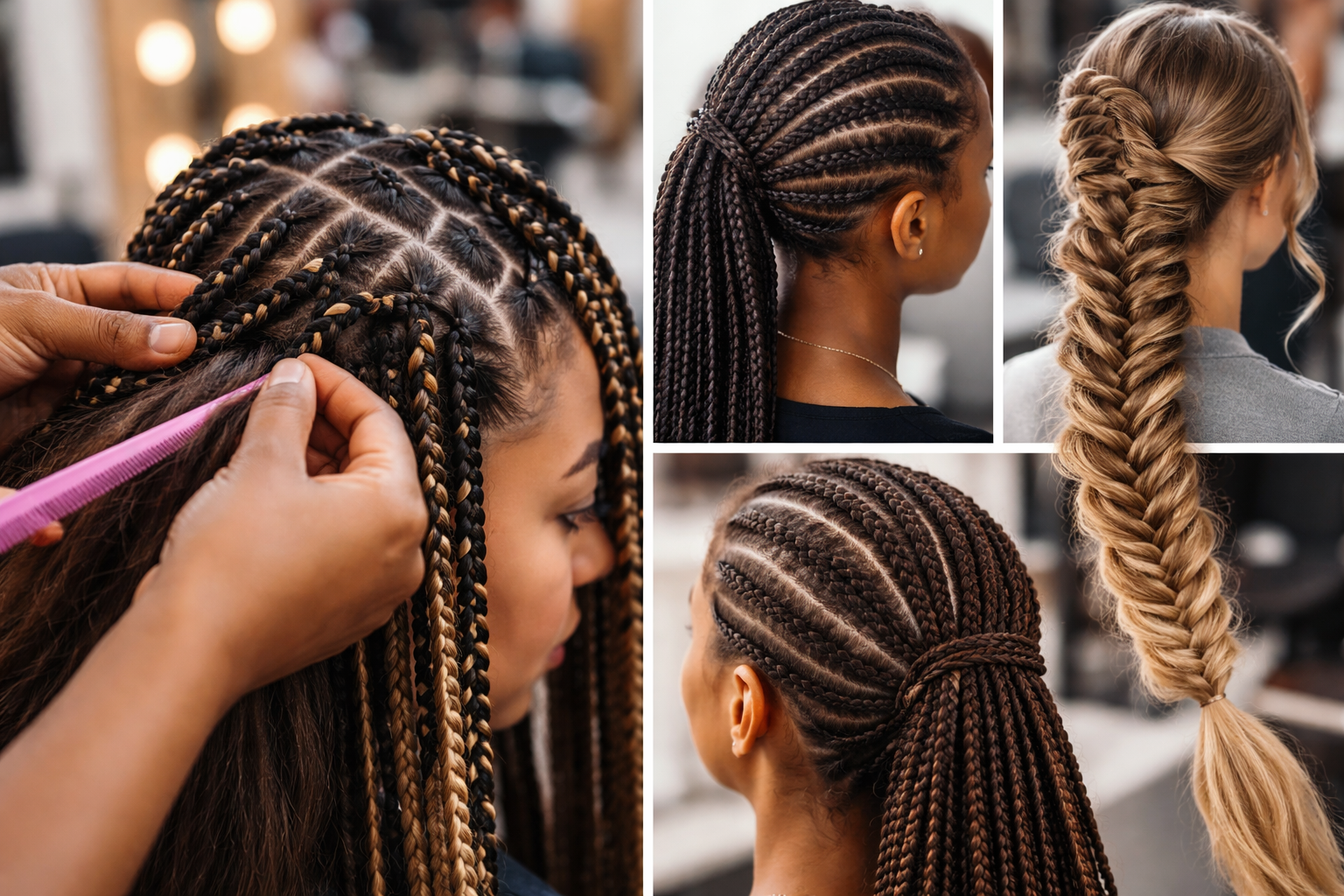
Box braids are thick, protective braids that divide hair into square sections and are known for durability; cornrows are tight braids that lie flat against the scalp and can be styled in various patterns; French braids start from the top and create an elegant and classic appearance; Dutch braids use a reverse technique to give a raised effect; fishtail braids involve weaving smaller sections for a detailed and trendy finish.
Step-by-Step Guide to Braiding Hair
Learning how to braid hair properly ensures better results and less damage. Follow this beginner-friendly process to achieve neat and long-lasting braids. Practicing these steps regularly helps improve speed and precision, making it easier to experiment with advanced styles later on.
Basic Braiding Steps
- Start with clean, detangled hair
- Divide hair into three equal sections
- Cross the right section over the middle
- Cross the left section over the new middle
- Repeat until you reach the ends
- Secure with a hair tie
Best Hair Types for Braiding
Braiding hair works on all hair types but certain textures hold braids more effectively than others; curly and coily hair types provide better grip and longer-lasting styles; straight hair may require texturizing products to prevent slipping; wavy hair offers a balanced texture that is easy to manage; proper preparation such as moisturizing and conditioning enhances the final result and durability of the braids.
Hair Type Comparison Table
| Hair Type | Suitability | Tip |
| Straight Hair | Moderate | Use spray |
| Wavy Hair | Good | Light cream |
| Curly Hair | Excellent | Moisturize |
| Coily Hair | Best | Deep conditioning |
Benefits of Braiding Hair
Braiding hair offers multiple benefits that go beyond styling and improve overall hair health; it protects hair from environmental damage such as heat and pollution; braids help retain hair length by reducing breakage; they are a low-maintenance option that saves time in daily routines; braiding also minimizes the need for heat styling tools; overall, it is a practical and beneficial choice for long-term hair care.
Common Mistakes to Avoid
While braiding hair is simple, certain mistakes can lead to damage or poor results; braiding too tightly can cause scalp pain and hair loss; skipping moisturizing steps can result in dryness and frizz; using damaged or split ends affects the appearance of braids; leaving braids in for too long can weaken hair roots; avoiding these mistakes ensures healthier hair and better-looking styles.
Hair Care Tips for Braided Hair
Maintaining braided hair is essential for keeping both your style and scalp healthy; regularly applying light oils helps keep the scalp hydrated and prevents itching; using a silk or satin scarf at night reduces friction and frizz; washing braids gently with diluted shampoo keeps them clean without loosening them; avoiding excessive pulling or styling helps prevent damage; consistent care extends the life of your braids.
Best Products for Braiding Hair
Using the right products can significantly improve the quality and longevity of braiding hair styles; leave-in conditioners keep hair soft and manageable before braiding; natural oils like coconut or argan oil nourish the scalp; styling gels provide hold and reduce frizz during the braiding process; edge control products help achieve a clean and polished finish; detangling sprays make preparation easier and reduce hair breakage.
Trending Braiding Hair Styles in 2026
Braiding trends in 2026 focus on creativity, comfort, and bold fashion statements; knotless braids are gaining popularity due to their lightweight and natural feel; colored braid extensions allow for unique and personalized styles; tribal braids combine cultural heritage with modern aesthetics; jumbo braids offer a bold and eye-catching look; braided ponytails are a stylish and practical option for everyday wear.
Conclusion
Braiding hair is a versatile and beneficial hairstyling technique that blends fashion with functionality; it is suitable for beginners as well as professionals looking to explore different styles; with proper techniques and maintenance, braids can last longer and maintain a neat appearance; choosing the right style and products enhances overall results; braiding hair remains one of the most effective and stylish ways to manage and protect hair.
FAQs
How long do braids last?
Braids can last between one to eight weeks depending on the style and maintenance.
Is braiding hair good for growth?
Yes, it helps retain length by reducing breakage and protecting strands.
Can you wash braided hair?
Yes, use diluted shampoo and gentle techniques to avoid frizz.
Are tight braids bad for hair?
Yes, overly tight braids can cause scalp damage and hair loss.
What is the easiest braid for beginners?
The three-strand braid is the simplest and most beginner-friendly style.