
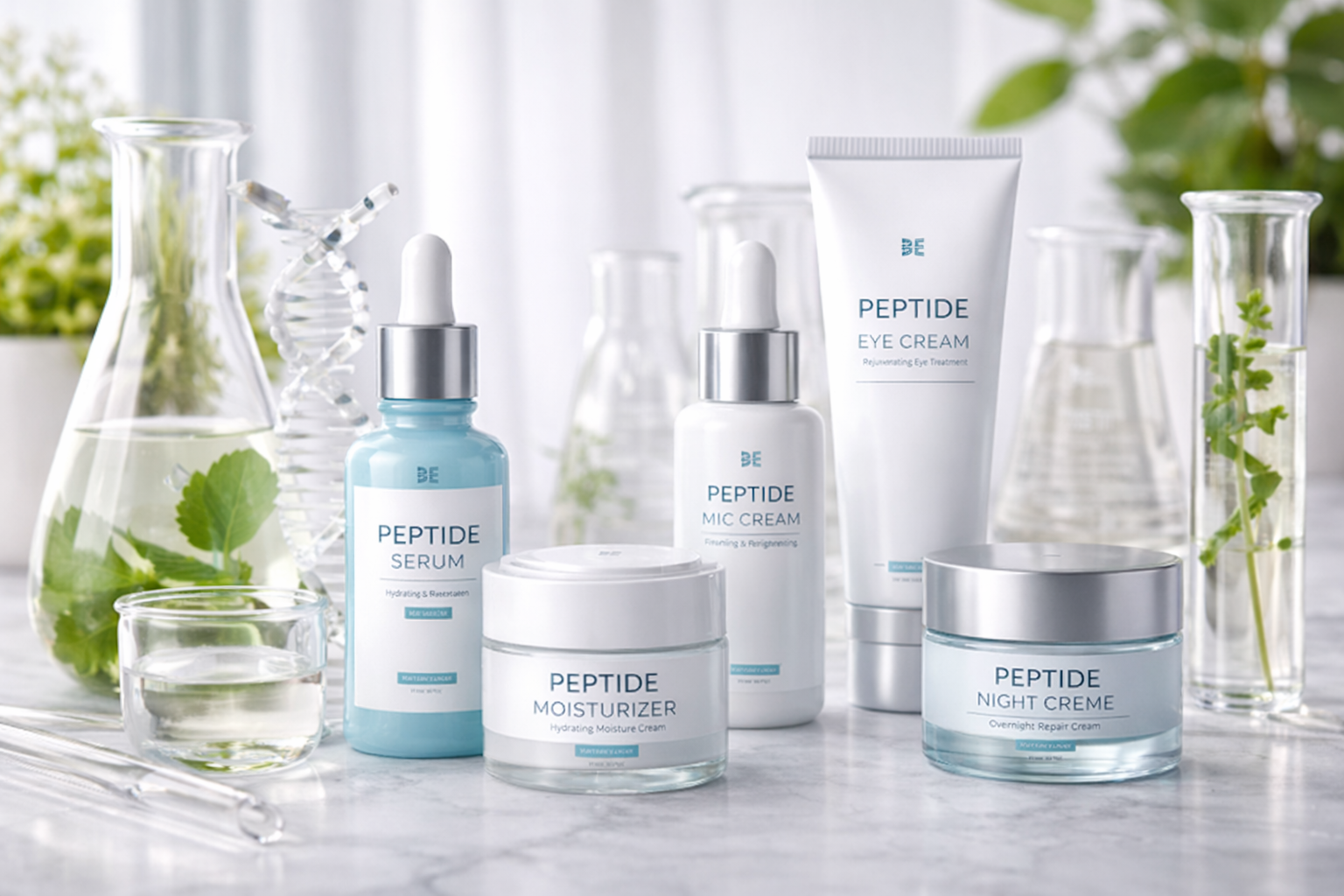
Introduction
In modern skincare, ingredients backed by scientific research have become increasingly popular. One such ingredient gaining significant attention is simple peptides. These small but powerful compounds play an important role in maintaining healthy and youthful skin. Many dermatologists and skincare experts recommend peptides because they help support collagen production and improve overall skin health.
Simple peptides are commonly found in serums, moisturizers, and anti-aging treatments. They work by sending signals to the skin that encourage repair and regeneration. As a result, many skincare routines now include peptide-based products to address concerns such as wrinkles, loss of firmness, and uneven texture while improving hydration and skin resilience.
What Are Simple Peptides?
Simple peptides are short chains of amino acids that act as building blocks for proteins such as collagen, elastin, and keratin in the skin. These proteins are essential for maintaining the skin’s structure, elasticity, and strength. In skincare, peptides are used because they help support natural skin repair processes and improve the overall appearance of the skin.
When applied topically, peptides send signals to skin cells to produce more collagen and elastin. These proteins are responsible for keeping the skin firm and smooth. As collagen production decreases with age, peptide-based skincare products can help restore skin strength and reduce visible signs of aging over time.
How Peptides Work in Skincare
Peptides work by communicating with the skin and encouraging it to repair itself. When the skin detects peptides, it interprets them as signals that collagen has been broken down. In response, the skin begins producing more collagen to repair the perceived damage, which helps improve firmness and elasticity.
Because peptides are lightweight and easily absorbed, they are often included in serums and moisturizers. Regular use of peptide-based skincare products can strengthen the skin barrier, reduce the appearance of wrinkles, and improve skin texture. This makes simple peptides an important ingredient in many modern anti-aging skincare routines.
Benefits of Simple Peptides for Skin
Peptides provide several benefits that contribute to healthier and more youthful-looking skin. Their ability to support collagen production and strengthen the skin barrier makes them valuable in many skincare formulations. When used consistently, peptide products can help improve skin hydration, smoothness, and resilience.
In addition to their anti-aging properties, peptides also support skin repair and protection against environmental damage. This makes them useful for individuals experiencing early signs of aging, dryness, or skin sensitivity. Many dermatologists consider peptides an essential ingredient for maintaining long-term skin health.
Key Benefits of Peptides in Skincare
- Helps stimulate collagen production
- Reduces the appearance of wrinkles and fine lines
- Improves skin elasticity and firmness
- Strengthens the skin barrier
- Enhances skin hydration and smoothness
- Supports natural skin repair processes
These benefits explain why peptides have become a popular ingredient in many skincare products designed to improve skin health and appearance.
Types of Peptides Used in Skincare
Different types of peptides are used in skincare products, and each type serves a specific function. Some peptides focus on stimulating collagen production, while others help relax facial muscles or improve skin hydration. Understanding these different types can help individuals choose the right peptide-based products for their skincare routine.
Skincare brands often combine several types of peptides in a single formula to maximize results. These combinations help target multiple skin concerns at once, including aging, dehydration, and loss of elasticity. As a result, peptide-based products are considered versatile solutions for improving skin health.
Common Types of Peptides
| Peptide Type | Function | Skin Benefits |
| Signal Peptides | Stimulate collagen production | Improve firmness and elasticity |
| Carrier Peptides | Deliver minerals to skin cells | Support skin repair |
| Enzyme Inhibitor Peptides | Slow collagen breakdown | Reduce signs of aging |
| Neurotransmitter Peptides | Relax facial muscles | Minimize wrinkles |
These peptides work in different ways but ultimately help improve the strength and appearance of the skin.
How to Use Peptides in a Skincare Routine
Incorporating peptides into a skincare routine is relatively simple because peptide products are gentle and suitable for most skin types. They are commonly used in serums, moisturizers, and eye creams. Applying peptide products regularly can help improve skin texture and support long-term skin health.
For best results, peptides should be used after cleansing and before heavier creams or sunscreen. This allows the active ingredients to penetrate the skin effectively. Many dermatologists recommend combining peptides with hydrating ingredients such as hyaluronic acid to enhance their benefits and maintain optimal skin hydration.
Basic Peptide Skincare Routine
| Step | Product | Purpose |
| Step 1 | Cleanser | Removes dirt and oil |
| Step 2 | Peptide Serum | Supports collagen production |
| Step 3 | Hydrating Serum | Adds moisture to the skin |
| Step 4 | Moisturizer | Locks in hydration |
| Step 5 | Sunscreen | Protects skin from UV damage |
Following this routine helps maximize the effectiveness of peptide-based skincare products.
Who Should Use Peptide Skincare Products?
Peptide skincare products are suitable for individuals of various ages and skin types. They are particularly beneficial for people who want to prevent or reduce visible signs of aging such as wrinkles, sagging skin, and loss of elasticity. Because peptides are gentle and non-irritating, they are often suitable for sensitive skin as well.
Individuals experiencing dryness or weakened skin barriers may also benefit from peptide-based products. These ingredients help improve skin hydration and strengthen the skin’s protective layer. With consistent use, peptides can help maintain healthier, smoother, and more resilient skin over time.
Are Peptides Safe for Daily Use?
Peptides are generally considered safe for daily use and are well tolerated by most skin types. Unlike some active ingredients that may cause irritation, peptides work gently to support the skin’s natural repair process. This makes them an excellent option for people who want effective skincare without harsh side effects.
Because peptides are stable and compatible with many other skincare ingredients, they can easily be incorporated into both morning and evening routines. However, it is always recommended to introduce new skincare products gradually to ensure that the skin responds well to the ingredients.
Conclusion
Simple peptides have become an essential ingredient in modern skincare because of their ability to support collagen production and improve skin health. By strengthening the skin barrier and promoting repair processes, peptides help reduce signs of aging while improving hydration and elasticity. Their gentle nature makes them suitable for a wide range of skin types and skincare routines.
Incorporating peptide-based products into a daily skincare routine can lead to healthier, smoother, and more youthful-looking skin over time. With continued research and innovation in skincare science, peptides are likely to remain one of the most valuable ingredients in effective and dermatologist-recommended skincare products.
FAQs
What are simple peptides in skincare?
Simple peptides are short chains of amino acids that help stimulate collagen production and support skin repair.
Are peptides good for anti-aging skincare?
Yes, peptides help improve skin firmness, reduce wrinkles, and support collagen production, making them effective for anti-aging.
Can peptides be used with other skincare ingredients?
Peptides work well with many ingredients, including hyaluronic acid, niacinamide, and antioxidants.
How long does it take to see results from peptides?
Visible improvements in skin texture and hydration can often be noticed within a few weeks of consistent use.
Are peptide skincare products suitable for sensitive skin?
Most peptide-based products are gentle and suitable for sensitive skin because they support natural skin repair.